
HEALTH & SAFETY
Train Smart, Stay Safe
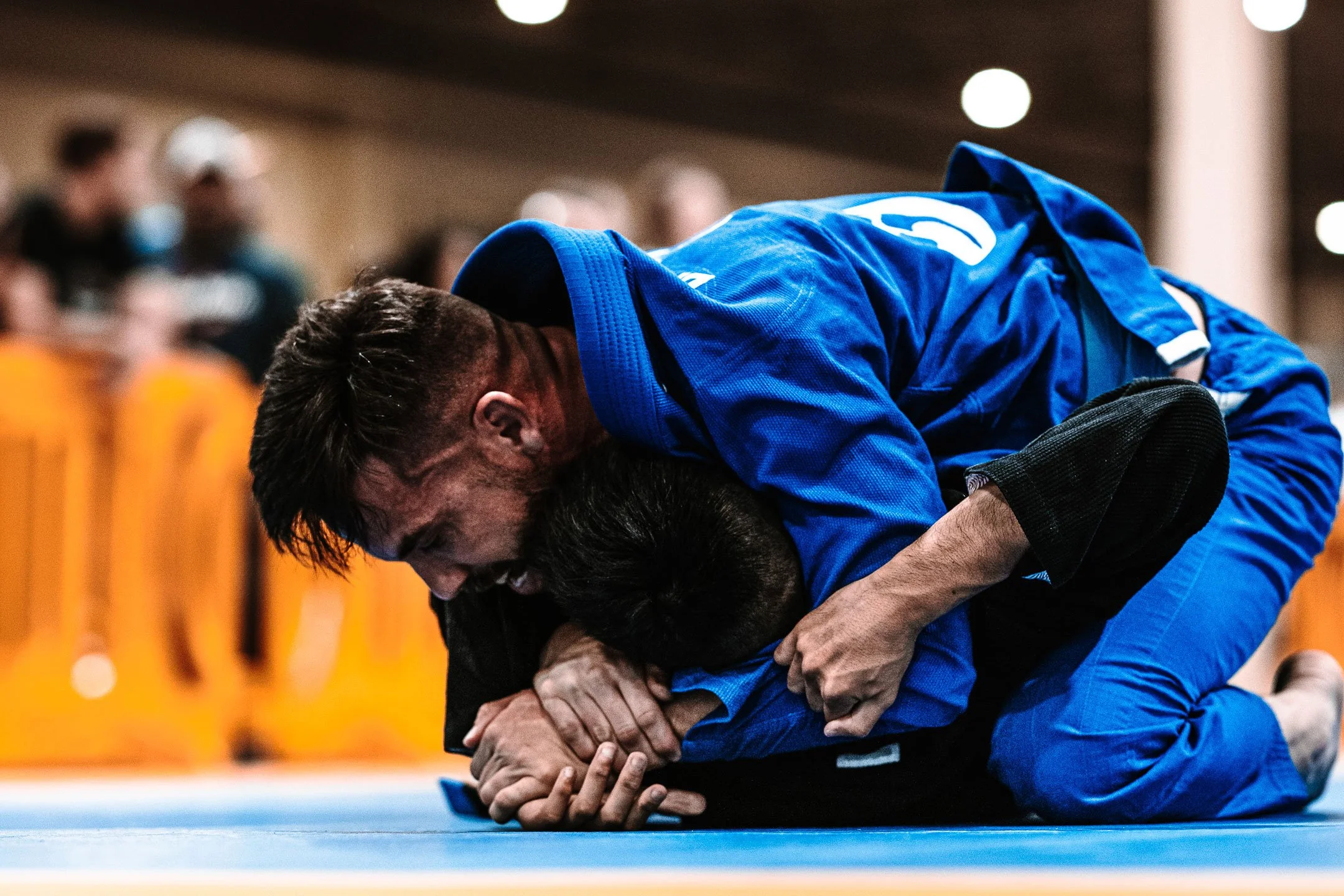
At Combate Academy, safety is our number one priority. Brazilian Jiu-Jitsu is a close-contact martial art, and while it's one of the safest combat sports when practiced correctly, we take proactive steps to ensure the wellbeing of every student on the mat. A safe training environment leads to better learning, better performance, and longevity in the sport.
CLEANLINESS PROTOCOLS
A clean gym is a safe gym. We take cleanliness seriously to prevent illness and skin infections from spreading.
Mat Sanitation: Our mats are cleaned daily with hospital-grade disinfectant to eliminate bacteria, viruses, and fungi. We ask that all students avoid stepping on the mats with shoes and keep food and drinks away from training areas.
Personal Gear: Students must arrive with a fresh, clean gi or rash guard for each session. Sweaty, unwashed gear isn’t just unpleasant—it’s unsafe.
Footwear Policy: Flip-flops or slides must be worn when walking around off the mat, especially into the restroom. This minimizes dirt and germs being tracked onto the mats.
PERSONAL HYGIENE & GEAR CARE
BJJ involves close physical contact, so good hygiene is not optional—it’s mandatory.
Nail Trimming: Sharp nails can cause scratches and cuts. Trim and file both fingernails and toenails before every class.
Hair Management: Long hair should be tied back securely. This reduces the chance of pulling or entanglement, and also keeps hair off training partners’ faces.
Showering: It’s encouraged to shower before class if you’ve been sweating earlier in the day, and always after class to prevent bacterial buildup.
Uniform Washing: Every gi, rash guard, and training item must be washed after each class. Unwashed gear may be grounds for being asked to sit out.
Odor Control: Students should wear deodorant. We recommend fragrance-free options and discourage strong colognes or perfumes, which can irritate others.
ILLNESS PREVENTION
Training while sick can put the entire academy at risk.
Stay Home if Sick: Cold symptoms, stomach issues, or even a minor fever are reasons to rest, not roll. We’ll be here when you're better.
Infection Awareness: If you develop a skin condition like ringworm or a staph infection, do not train. Inform a coach immediately and get medical clearance before returning.
Reporting: If you train with someone who appears ill or has visible skin issues, speak up. Confidentiality is respected, but the health of the group matters most.
YOUTH SAFETY
We’re trusted by dozens of families because we treat your child’s safety as a top priority.
Supervised Training: All kids’ classes are led by experienced, background-checked instructors with assistant coaches supporting when needed.
Age-Appropriate Techniques: Children learn simplified, safe versions of techniques appropriate to their developmental stage.
Parental Involvement: Parents are encouraged to observe classes. Our open-door policy welcomes your feedback and communication.
Anti-Bullying Emphasis: Our curriculum teaches assertiveness, self-control, and confidence—without promoting aggression. We address all behavioral concerns swiftly.
INJURY PREVENTION
Injuries are rare at Combate Academy, and we work hard to keep it that way.
Warm-Ups: Each class starts with a progressive warm-up designed to prepare joints, muscles, and minds for class.
Controlled Sparring: We stress flow and control over intensity. New students especially are eased into sparring with guidance.
Partner Matching: Instructors assign partners based on skill level, size, and temperament to ensure safe and productive rolls.
Listening to Your Body: Pain, fatigue, or dizziness are signs to slow down or stop. Ignoring them risks injury. Let your instructor know if anything feels off.
GEAR & EQUIPMENT CHECKS
Equipment in good condition is part of maintaining a safe space.
Gear Condition: No ripped gis, exposed seams, or damaged belts are allowed. Faulty gear can cause injury or discomfort.
Mouthguard’s & Protective Equipment: Strongly encouraged for adults and kids for sparring. Safety gear reduces risk during intense rolls.
Facility Hazards: If you see something unsafe—like a loose mat, wet floor, or exposed edge—tell a coach or staff member immediately.
TAPPING & TECHNIQUE ETIQUETTE
Understanding the tap and using proper etiquette can prevent nearly every submission-related injury.
Tap Early, Tap Often: Don’t wait until you’re in pain. Tap clearly by slapping the mat or your opponent.
Don’t Crank Submissions: Submissions should be applied slowly and with precision. The goal is control, not pain.
Let Go Immediately: As soon as your partner taps, stop the technique. A delay—even a second—can lead to injury.
Verbal Taps: If hands are trapped or you’re rolling with kids, speak up. Saying “tap” loudly is just as valid.
RESPECT & CULTURE
A culture of respect is the foundation of a safe academy.
No Egos: Everyone checks their ego at the door. Winning isn’t the goal—learning is.
Respect Your Partners: Fist bumps, bows, and polite behavior are expected, regardless of skill or belt level.
Coach’s Authority: If a coach addresses behavior or asks a student to sit out, it’s always with safety in mind. Please respect and support their decisions on and off the mat.
CLOSING THOUGHTS
Safety begins with awareness and accountability. If you’re unsure about a technique, feel unwell, or notice something unsanitary, let your instructor know right away. Brazilian Jiu-Jitsu is a journey, and the goal is to train for the long haul. By following these guidelines, you’re helping to create a healthy, respectful, and safe training environment for everyone.